

Texas weather presents unique challenges for vehicle owners. Intense heat, strong UV exposure, dust, pollen, road grime, and sudden storms all work together to wear down your car’s exterior and interior faster than in many other regions. While routine washing helps keep your vehicle presentable, it does not provide the deep cleaning and protection needed to preserve long term condition. This leads many Texas drivers to ask an important question: how often should you detail your car to achieve the best results?
The answer depends on several factors including driving habits, parking conditions, interior use, and the level of protection already applied to the vehicle. Understanding these factors can help you create a detailing schedule that protects your investment, improves comfort, and maintains appearance year round.
Why Texas Vehicles Require More Frequent Detailing
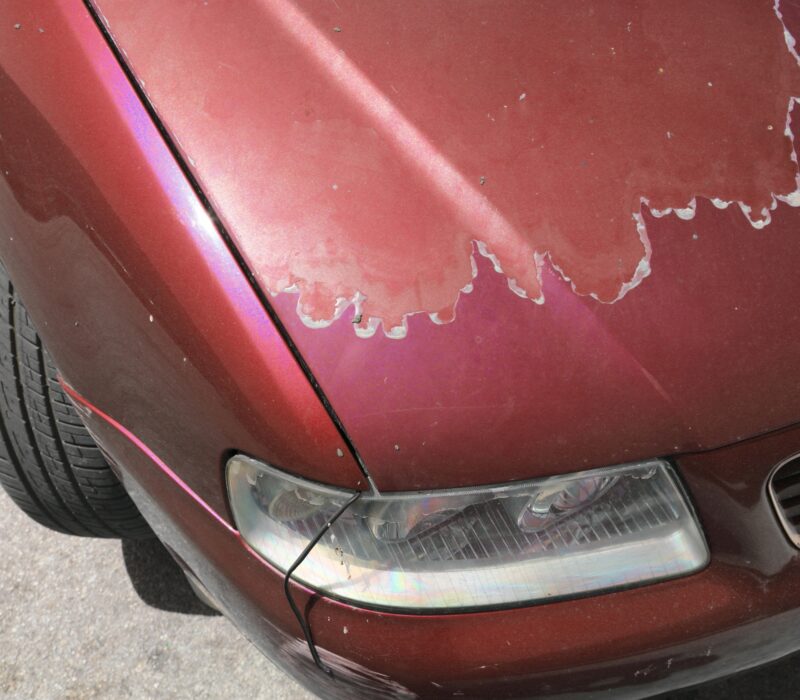
Vehicles in Texas are exposed to environmental stress on a daily basis. Prolonged sunlight causes paint to fade, oxidize, and lose its depth. Clear coat breakdown is common on vehicles that spend significant time outdoors. Heat also accelerates the deterioration of rubber seals, trim, and plastic components.
Dust and airborne debris are another major issue. Warm paint surfaces attract fine particles that settle quickly and create a gritty layer. Over time, this buildup causes micro scratches and dullness. Rainfall often leaves behind mineral deposits and water spots, especially when water evaporates quickly in high temperatures.
Interior surfaces face similar challenges. Dashboards, leather seats, vinyl trim, and upholstery dry out and crack under heat if not properly conditioned. Without professional care, interiors can age prematurely, reducing comfort and resale value.
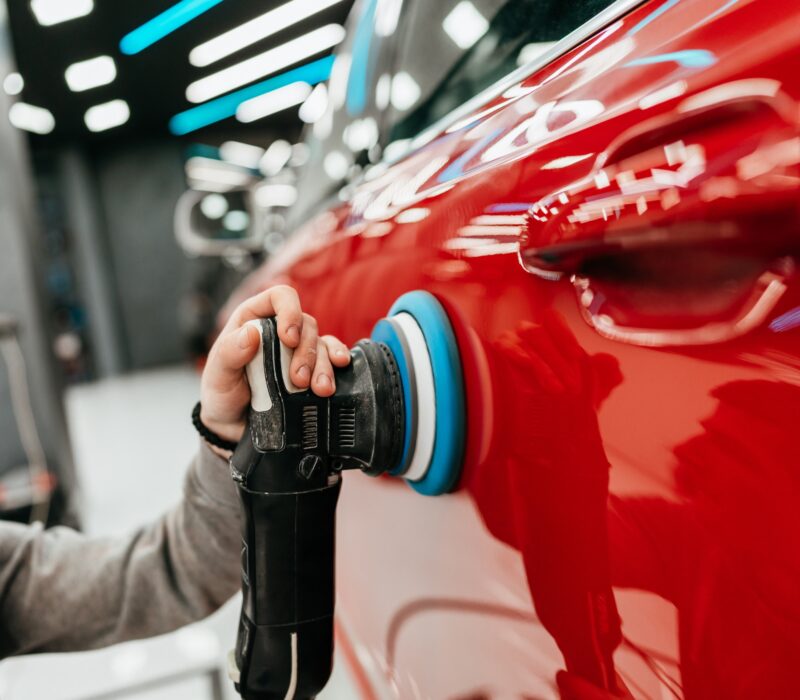
Professional detailing addresses these issues by thoroughly cleaning, restoring, and protecting surfaces before damage becomes permanent.
General Detailing Frequency for Texas Drivers
For most vehicles in Texas, professional detailing every four to six months delivers the best balance of protection and maintenance. This schedule allows contaminants to be removed before they bond permanently to surfaces while maintaining paint clarity and interior condition.
Vehicles exposed to heavier use or harsher conditions may benefit from more frequent service. Others that are driven less often or stored in garages may remain in excellent condition with detailing closer to the six month mark.
Factors That Influence How Often You Should Detail
Driving Frequency and Commute Conditions
Daily drivers experience more wear than vehicles driven occasionally. Long commutes increase exposure to road debris, bug splatter, tar, and brake dust. Vehicles that spend time on highways or construction heavy routes typically need detailing more often to prevent buildup and surface damage.
Parking Environment
Parking location plays a major role in detailing frequency. Vehicles parked outdoors face direct sunlight, bird droppings, tree sap, pollen, and weather changes. These contaminants can damage paint and glass quickly if not removed. Outdoor parked vehicles often benefit from detailing every four months.
Garage kept vehicles are better protected from environmental exposure. These vehicles may safely extend detailing intervals to six months, depending on use.
Interior Usage
Interior conditions vary widely based on passengers and lifestyle. Families with children, pets, or frequent passengers experience faster interior wear. Food spills, dirt, hair, and odors accumulate quickly. Regular interior detailing restores cleanliness, improves air quality, and prevents permanent staining.
Existing Paint Protection
Vehicles with Ceramic Coating or Paint Protection Film typically require less frequent intensive detailing. These protective layers make cleaning easier and reduce the rate at which contaminants bond to surfaces. However, even protected vehicles still benefit from routine maintenance detailing to preserve coating performance.
Suggested Detailing Schedules Based on Use
While no two vehicles are exactly the same, most Texas drivers fall into one of the following categories:
- Daily driven vehicles with outdoor parking benefit from detailing every four months
- Vehicles with mixed use and garage storage typically perform well with detailing every six months
- Luxury or performance vehicles often follow a four month schedule to preserve appearance
- Vehicles with Ceramic Coating may extend full detailing to six months with light maintenance visits in between
This approach protects surfaces while avoiding unnecessary over polishing.
What Happens When Detailing Is Delayed Too Long
Infrequent detailing allows contaminants to accumulate and bond to paint and interior materials. Over time, this leads to permanent staining, oxidation, and dullness. Interior surfaces may develop odors, discoloration, and cracks that are difficult to reverse.
Once damage reaches this stage, restoration requires more aggressive treatments such as paint correction or deep interior repair. These services are more expensive and time consuming than regular maintenance detailing. Preventive care is always the more cost effective solution.
How Ceramic Coating and Paint Protection Film Affect Detailing Frequency
Ceramic Coating and Paint Protection Film both help extend the time between major detailing services. Ceramic Coating adds UV resistance, chemical protection, and hydrophobic properties that keep paint cleaner for longer periods. Paint Protection Film shields against rock chips, scratches, and abrasion.
While these services reduce maintenance effort, they do not eliminate the need for detailing. Routine inspection and gentle maintenance help ensure coatings and films continue performing as intended.
Interior Detailing Is Equally Important in Texas
Interior detailing should follow a similar schedule to exterior care. Texas heat accelerates wear on leather, vinyl, and plastic surfaces. Conditioning treatments help maintain flexibility and prevent cracking. Deep cleaning removes allergens and improves cabin comfort.
Most vehicles benefit from interior detailing every four to six months, depending on usage.
Creating a Personalized Detailing Plan
The best detailing schedule is one that fits your vehicle’s use and environment. A professional detailing shop can assess your paint condition, interior wear, and protection level to recommend a customized plan.
Rather than waiting for visible damage, proactive detailing keeps your vehicle looking better for longer while protecting its long term value.
Final Thoughts
Texas conditions demand more attentive vehicle care than many drivers expect. For most vehicles, professional detailing every four to six months provides the best results by preventing sun damage, heat related wear, and environmental buildup.
At Shield By Design, we tailor detailing services specifically for Texas vehicles. Our team evaluates your driving habits, parking conditions, and protection level to recommend a schedule that preserves both appearance and value.
If you are unsure how often your vehicle should be detailed, our experts are ready to help you make the right decision. Contact us today at 214-354-3327 to schedule your next detailing service or request a personalized maintenance plan.