
Paint Protection Film (PPF) is a significant investment that keeps your vehicle’s paint looking pristine for years. Learning how to wash a car with PPF correctly ensures the film maintains its clarity, self-healing properties, and protective qualities without premature wear or damage. At Shield By Design, we’ve helped countless clients protect their investment, and proper washing technique is the foundation of PPF longevity.
Why Washing PPF-Protected Cars Requires Special Attention
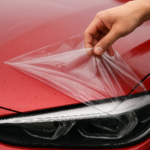
PPF isn’t just a simple plastic layer. Modern films like those installed by Shield By Design contain multiple layers, including a clear coat with self-healing properties, an adhesive layer, and sometimes hydrophobic topcoats. Each of these layers responds differently to cleaning methods, chemicals, and friction.
Standard car wash practices that work fine on bare paint can stress PPF in unexpected ways. High-pressure sprayers aimed at edges can lift the film. Harsh degreasers can cloud the surface or strip protective coatings. Automated brush washes create micro-scratches that accumulate over time, dulling the film’s appearance.
The good news? PPF is actually easier to clean than bare paint once you understand the right approach. Contaminants don’t bond as aggressively to quality film, and many modern PPFs repel water and dirt naturally. You just need to work with the material’s properties rather than against them.
The Right Tools and Products for Washing a Car With PPF
Before you start, gather PPF-safe supplies. Not every car wash product plays nicely with protective film.
Choose a pH-neutral car shampoo specifically labeled as safe for clear coats and protective films. Avoid products containing petroleum distillates, degreasers, or heavy waxes with abrasive cleaners. Shield By Design recommends products that won’t interfere with your film’s topcoat or self-healing properties.
Use two buckets: one for clean soapy water, one for rinsing your wash mitt. This two-bucket method prevents you from reapplying dirt particles that could scratch the film. Get a high-quality microfiber wash mitt with plush, soft fibers. Skip sponges and brushes entirely.
For drying, use multiple clean microfiber drying towels with a deep pile. Waffle-weave or twisted-loop designs work exceptionally well because they absorb water without dragging across the surface. A silicone squeegee can also work for initial water removal on flat panels.
Consider adding a spray sealant or detail spray designed for PPF to your kit. These products enhance the film’s hydrophobic properties between washes and add an extra layer of protection against environmental contaminants.
Step-by-Step: How to Wash a Car With PPF Safely
Start by parking your vehicle in a shaded area. Direct sunlight causes soap and water to dry too quickly, leaving spots and making the film harder to rinse properly.
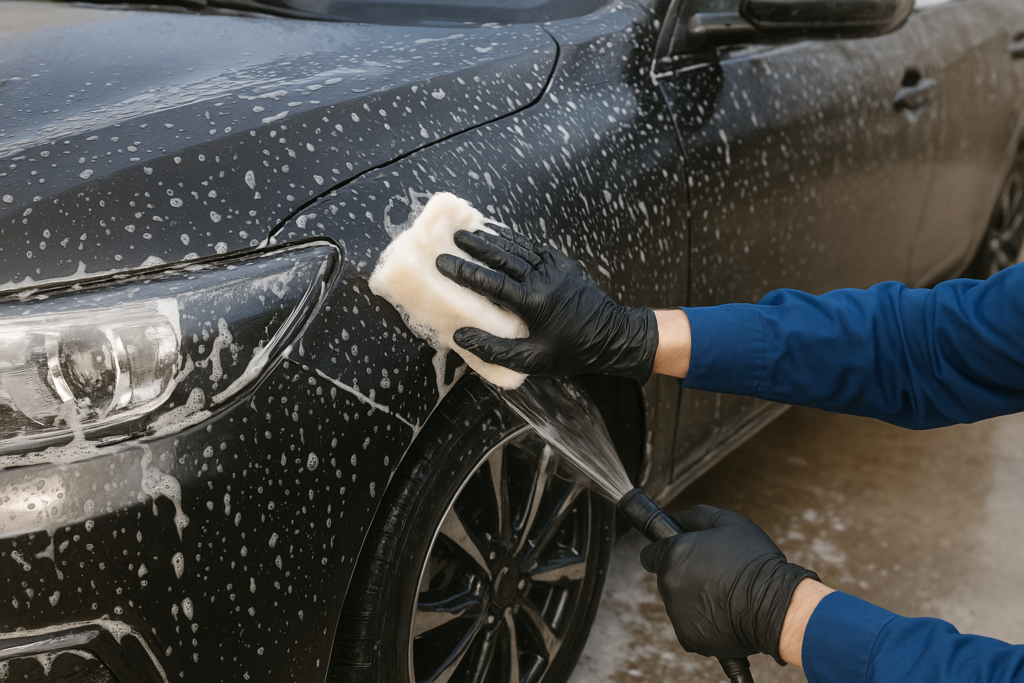
Begin with a thorough rinse using a garden hose or pressure washer set to a wide fan pattern at moderate pressure (1200-1500 PSI maximum). Hold the nozzle at least 12 inches from the surface and angle away from film edges and seams. This initial rinse removes loose dirt and debris that could scratch during washing.
Fill your wash bucket with cool or lukewarm water and add the recommended amount of pH-neutral car shampoo. Hot water isn’t necessary and can potentially affect adhesives on cheaper films, though quality installations from Shield By Design handle normal temperature ranges without issue.
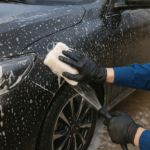
Work from top to bottom in sections. Dip your microfiber mitt in the soapy water, then gently wash one panel using straight, overlapping passes rather than circular motions. Apply minimal pressure. Let the soap and mitt do the work.
After each panel, rinse the mitt thoroughly in your rinse bucket before returning to the soap bucket. This single step dramatically reduces the risk of scratching.
Once you’ve washed the entire vehicle, perform a final thorough rinse. Again, use moderate pressure and work top to bottom, ensuring all soap residue is completely removed. Soap left to dry on PPF can create streaks or hazing.
Dry immediately using your microfiber towels. Pat or gently drag the towel across the surface rather than rubbing aggressively. Replace towels as they become saturated. Leaving water to air-dry creates water spots that can be stubborn to remove later.
What to Avoid When Washing PPF-Protected Vehicles
Certain practices that seem harmless can significantly shorten your PPF’s lifespan or damage its appearance.
Never use automatic car washes with spinning brushes or cloth strips. These create friction patterns that cause fine scratches and can catch film edges, potentially lifting or tearing the material. Touchless automatic washes are marginally better but often use harsh chemicals to compensate for the lack of mechanical action.
Avoid parking lot quick-detail services unless you know they understand PPF care. Many use dirty towels, incorrect products, or aggressive techniques that damage film.
Don’t apply traditional car wax containing abrasive compounds or petroleum-based solvents. These can cloud PPF or interfere with self-healing properties. If you want additional protection, use products specifically formulated for film or ceramic coatings.
Skip the pressure washer’s turbo or zero-degree nozzle. Concentrated high-pressure streams can slice through film edges or force water underneath, causing bubbling or delamination.
Don’t wash your vehicle in direct sunlight or when panels are hot to the touch. This causes rapid evaporation that leaves mineral deposits and soap residue on the film surface.
Maintaining PPF Between Washes
Regular washing is essential, but what you do between washes matters too. At Shield By Design, we recommend washing PPF-protected vehicles every two weeks under normal driving conditions, or weekly if you drive in harsh environments with lots of bugs, tree sap, or road salt.
Address contaminants immediately. Bird droppings, bug splatter, and tree sap contain acids that can etch or stain PPF if left for days. Use a quick detail spray and clean microfiber cloth to spot-clean these issues between full washes.
Keep a spray bottle with diluted car shampoo (about 10:1 water to soap ratio) in your garage for quick maintenance. A light spray and gentle wipe with a microfiber cloth removes fresh dirt without a full wash session.
Inspect your film regularly during washing. Look for edges that might be lifting, areas that appear clouded, or sections where debris has accumulated along seams. Early detection of issues allows for simple fixes before they become major problems.
Consider professional detailing services familiar with PPF once or twice per year. Experienced detailers can perform deeper cleaning, remove embedded contaminants, and apply professional-grade sealants that extend your film’s life and appearance.
Common Washing Mistakes and How Shield By Design Can Help
Even with the best intentions, PPF owners sometimes make mistakes that compromise their film. One frequent error is assuming PPF is indestructible. While incredibly durable against rock chips and scratches, the film’s surface can still be damaged by improper care.
Another common issue is using the same washing technique for film edges as for the main surfaces. Edges require extra gentleness. Never aim high-pressure water directly at seams, and avoid aggressive scrubbing near edges where the film meets paint.
Some owners also wait too long between washes, allowing contaminants to bond with the film surface. PPF’s hydrophobic properties work best when the surface is clean. Built-up grime actually reduces the film’s natural repellency.
Shield By Design offers detailed care instructions specific to your film type and installation. Different PPF products have slightly different care requirements, and our team ensures you know exactly how to maintain your specific investment. We’re also available for questions long after installation, because your film’s longevity matters to us.
| Washing Method | PPF Safety | Notes |
|---|---|---|
| Hand wash (two-bucket method) | Excellent | Safest option; full control over pressure and products |
| Touchless automatic wash | Moderate | Acceptable occasionally; chemicals may be harsh |
| Automatic brush/cloth wash | Poor | High risk of scratches and edge lifting |
| Pressure washer (wide fan, 1200-1500 PSI) | Good | Safe when used correctly; avoid edges and concentrated streams |
| Pressure washer (turbo nozzle, 3000+ PSI) | Poor | Can damage film edges or force water underneath |
FAQ
How often should I wash a car with PPF?
Wash your PPF-protected vehicle every two weeks under normal driving conditions. If you frequently drive through areas with heavy bug splatter, tree sap, or road salt, increase frequency to weekly. Regular washing prevents contaminants from bonding to the film and maintains its self-cleaning properties.
Can I use a pressure washer on PPF without damaging it?
Yes, but use a wide fan nozzle at 1200-1500 PSI maximum and maintain at least 12 inches of distance from the surface. Never aim concentrated streams directly at film edges or seams, as high pressure can lift the material or force water underneath the installation.
What’s the best soap for washing a car with PPF?
Use pH-neutral car shampoos specifically labeled as safe for clear coats and protective films. Avoid products containing petroleum distillates, heavy degreasers, or abrasive compounds that can cloud the film or strip protective topcoats. Shield By Design can recommend specific products compatible with your film type.
Will automatic car washes damage my paint protection film?
Automatic washes with brushes or cloth strips pose significant risk to PPF, potentially causing scratches, swirl marks, or edge lifting. Touchless automatic washes are safer but often use harsh chemicals. Hand washing remains the safest method for maintaining your film’s appearance and longevity.