
Choosing the right paint protection film coverage is one of the most important decisions you’ll make when protecting your vehicle’s finish. Whether you’re comparing partial front vs full front PPF or considering full vehicle coverage, understanding what each option protects and how it fits your driving habits will save you time, money, and potential headaches down the road.
Understanding Partial Front PPF Coverage
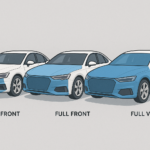
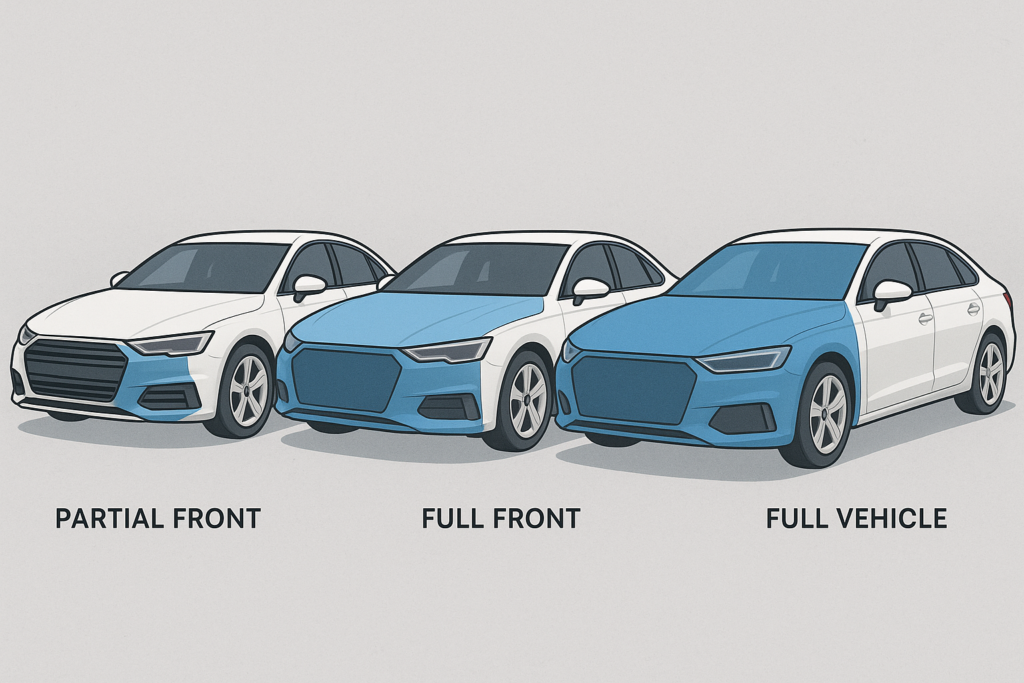
Partial front PPF typically covers the most vulnerable high-impact zones of your vehicle. This includes the front bumper, hood, fenders, side mirrors, and sometimes the headlights. The coverage area usually extends about 18-24 inches back from the front edge of the hood, creating a protective barrier where most road debris makes contact.
This option works well for drivers who primarily use highways and want to protect against the most common threats: rock chips, bug splatter, and minor road debris. Shield By Design installs partial front coverage with precision-cut patterns designed specifically for your vehicle’s make and model, ensuring seamless edges and professional results.
The main advantage here is focused protection where you need it most. If your daily commute involves interstate driving or you frequently take road trips, the front of your vehicle takes the brunt of high-speed impacts. Partial coverage addresses this reality without extending protection to areas that see less wear.
However, partial front PPF does leave side panels, door edges, and rear surfaces exposed. For vehicles that park in tight urban spaces or see frequent use on gravel roads, this limitation matters more than it would for a garage-kept weekend car.
What Full Front PPF Coverage Includes
Full front PPF extends protection beyond the basic high-impact zones. In addition to everything covered in a partial install, this package typically includes the entire hood, full fenders, complete bumper coverage, all door cups, door edges, side mirrors, and sometimes the A-pillars and rocker panels.
When evaluating partial front vs full front PPF, the decision often comes down to how much of your vehicle’s side profile you want to protect. Full front coverage wraps around the edges of body panels, protecting against parking lot dings, car wash scratches, and debris kicked up from the sides.
Shield By Design recommends full front coverage for newer vehicles, luxury cars, or any vehicle where maintaining pristine paint is a priority. The additional coverage area means more material and installation time, but it creates a much more comprehensive shield against everyday wear.
This option particularly shines for vehicles with complex body lines or expensive paint jobs. Pearl finishes, multi-stage paint, and custom colors cost significantly more to repair than standard solid colors. Full front PPF protects these investments more thoroughly.
Full Vehicle PPF: Complete Paint Protection
Full vehicle PPF wraps your entire car in protective film. Every painted surface receives coverage: hood, fenders, doors, quarter panels, roof, trunk, and bumpers. Some installations even include the underside of side skirts and lower rocker panels.
This comprehensive approach makes sense for specific situations. Exotic cars, limited edition vehicles, and high-end luxury automobiles often justify the investment because their paint is expensive to repair and maintains significant value over time. A small scratch on a Ferrari isn’t just a cosmetic issue; it affects resale value in ways that don’t apply to mainstream vehicles.
Full coverage also appeals to lease customers who need to return their vehicle in pristine condition, track day enthusiasts who want maximum protection during spirited driving, and anyone planning to keep their vehicle for ten or more years. The upfront investment pays dividends through eliminated paint correction costs and maintained appearance.
At Shield By Design, full vehicle installations require meticulous attention to detail. The film must be applied without visible seams on critical viewing surfaces, edges need proper wrapping to prevent lifting, and complex curves demand expert technique. The result is nearly invisible protection that preserves your vehicle’s factory finish.
Comparing Coverage Options Side by Side
| Coverage Type | Protected Areas | Best For | Protection Level |
|---|---|---|---|
| Partial Front | Front bumper, hood (partial), fenders, mirrors | Highway commuters, budget-conscious buyers | High-impact zones only |
| Full Front | Complete hood, full fenders, bumper, door cups, rocker panels | Daily drivers, newer vehicles, urban parking | Comprehensive front and side protection |
| Full Vehicle | All painted surfaces including roof, trunk, doors | Luxury cars, leases, long-term ownership, track use | Maximum protection everywhere |
Factors That Should Guide Your Decision
Your driving environment plays the biggest role in determining which coverage makes sense. If you spend most of your time on well-maintained city streets with minimal highway driving, even partial coverage might be more than necessary. Conversely, if you rack up 30,000 miles annually on interstates, full front protection becomes much more valuable.
Vehicle value matters, but not in the way most people think. It’s not just about the purchase price. Consider the cost of paint repair for your specific vehicle. Some manufacturers use soft paint that chips easily. Others apply thin clear coats that show damage quickly. German luxury brands often have expensive multi-stage paint processes that cost thousands to repair properly.
Your ownership timeline affects the calculation significantly. Planning to trade in after three years? Partial coverage might suffice. Keeping the car for a decade? Full front or full vehicle coverage pays for itself through eliminated paint correction and maintained resale value.
The quality of installation matters as much as coverage area. Shield By Design uses precision-cut patterns rather than hand-trimming whenever possible, reducing the risk of blade marks on paint. The installation environment is climate-controlled to prevent contamination, and certified technicians handle every step of the process.
Making the Right Choice for Your Vehicle
Start by honestly assessing your priorities. If you want basic protection against the most common threats and plan to keep the vehicle for a typical ownership cycle, partial front coverage delivers solid value. The protected areas align with where most damage occurs.
Choose full front PPF when you want more comprehensive protection without the investment of full vehicle coverage. This middle option works well for vehicles you care about maintaining but don’t need to keep in showroom condition. It’s particularly smart for vehicles with expensive paint or complex body shapes where door edges and side panels need protection.
Full vehicle coverage makes sense when the vehicle justifies it. Exotic cars, special editions, and vehicles with rare colors or finishes benefit from complete protection. The same applies if you live in an area with harsh conditions: heavy gravel roads, frequent construction zones, or extreme weather that accelerates paint wear.
Shield By Design offers consultations to help you evaluate these factors for your specific situation. Bring your vehicle in, discuss your driving patterns and goals, and get a professional assessment of which coverage option delivers the best value for your circumstances. The right answer isn’t the same for everyone, and making an informed decision starts with understanding what each option actually protects.
FAQ
How much more area does full front PPF cover compared to partial front?
Full front PPF typically covers 60-75% more surface area than partial front coverage. While partial protection focuses on the immediate front impact zones, full front extends to complete fenders, full door edges, rocker panels, and door handle cups. This additional coverage protects against side impacts and everyday wear that partial coverage leaves exposed.
Can I add more PPF coverage later if I start with partial front?
Yes, you can add additional PPF coverage at any time, though there are considerations. The film you add later should match the same product line to ensure consistent appearance and warranty coverage. Shield By Design can extend partial front PPF to full front or add individual panels as needed, though doing it all at once is typically more cost-effective than multiple installations.
Does partial front vs full front PPF make a difference for resale value?
Full front PPF generally provides better protection for resale value because it covers more areas that buyers inspect closely. Door edges, fenders, and rocker panels show wear over time, and full front coverage keeps these areas pristine. However, even partial front PPF demonstrates that you’ve taken care of the vehicle, which appeals to discerning buyers regardless of coverage extent.
How long does each type of PPF coverage last?
Quality PPF from Shield By Design typically lasts 7-10 years regardless of coverage area, assuming proper care and maintenance. The durability depends more on film quality and installation technique than whether you choose partial, full front, or full vehicle coverage. All coverage options use the same high-grade film with self-healing properties and UV resistance that maintains clarity over time.