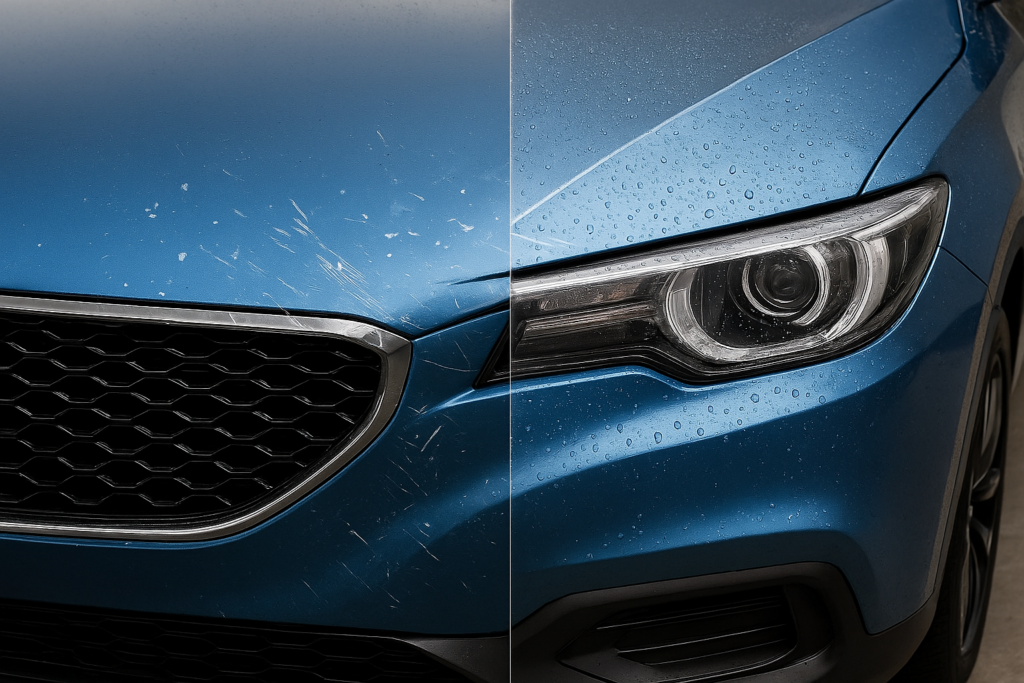

Paint Protection Film (PPF) has become one of the most effective solutions for preserving your vehicle’s factory finish, but many car owners still wonder exactly what does PPF protect against and whether the investment truly delivers on its promises. At Shield By Design, we field questions daily about PPF’s capabilities and limitations. Understanding what this clear, thermoplastic urethane film can—and cannot—defend your paint from helps you make an informed decision about protecting your vehicle.
What Does PPF Protect Against: Core Protection Benefits
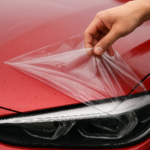
Paint Protection Film acts as a sacrificial barrier between your vehicle’s paint and the outside world. The film absorbs impacts and abrasions that would otherwise damage your clear coat and base paint layers. When professionally installed by Shield By Design, PPF provides measurable protection against several common threats.
Rock chips represent the most frequent cause of paint damage for daily drivers. Gravel kicked up by other vehicles travels at highway speeds and strikes your hood, fenders, and bumper with surprising force. Quality PPF disperses this impact energy across its surface layer. The film’s elasticity allows it to absorb the strike without cracking or puncturing, keeping the underlying paint intact.
Minor scratches from car washes, shopping carts, fingernails, and incidental contact disappear thanks to PPF’s self-healing properties. Modern films use heat-activated polymers that flow back together when exposed to warm temperatures. Park your car in sunlight or pour warm water over a light scratch, and you’ll watch it vanish within minutes. This self-healing characteristic keeps your PPF looking fresh years after installation.
PPF Performance Against Weather and Environmental Hazards
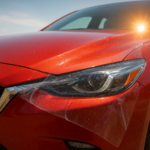
Weather presents a constant challenge to automotive paint. UV radiation breaks down clear coat over time, leading to fading and oxidation. PPF blocks harmful UV rays while remaining optically clear. Your paint maintains its original color and gloss even after years of sun exposure. Vehicles protected with Shield By Design’s PPF installations consistently show better paint condition than unprotected vehicles of the same age.
Bird droppings and bug splatter contain acids that etch through clear coat surprisingly quickly. The longer these contaminants sit on bare paint, the deeper they penetrate. PPF creates a chemical barrier that prevents acids from reaching your paint. You still need to clean your car regularly, but the film buys you valuable time before permanent etching occurs.
Tree sap, tar, and industrial fallout bond stubbornly to paint surfaces. Removing these substances from bare paint often requires aggressive chemicals or abrasive polishing. With PPF installed, you can use stronger cleaning solutions on the film surface without risking damage to your actual paint. The film protects while simplifying maintenance.
Does PPF Protect Against Hail Damage?
Hail protection remains one of the most misunderstood aspects of PPF capability. The honest answer: PPF offers limited protection against hail, and its effectiveness depends entirely on hail size and impact velocity.
Small hail—pea-sized to marble-sized—may leave your PPF-covered panels undamaged when the same hailstones would dent or chip bare paint. The film’s energy-dispersing properties help in these minor hail events. Shield By Design has seen vehicles come through light hailstorms with only slight impressions in the film that disappeared as it warmed and returned to shape.
Golf ball-sized hail and larger will dent body panels regardless of PPF installation. The film cannot prevent sheet metal from deforming under extreme impact force. However, even in severe hail events, PPF still provides value by preventing paint chips at impact points. Your panels may need paintless dent removal, but at least the paint itself remains intact and properly adhered to the metal.
Setting realistic expectations matters. PPF is not hail armor. Think of it as insurance against paint damage during minor to moderate hail, not as a shield against catastrophic storm damage. If you live in a high-risk hail region, PPF reduces but does not eliminate potential repair costs.
Common Myths About PPF Protection Capabilities
Myth number one: PPF prevents all scratches and damage. Deep scratches from sharp objects or deliberate keying will cut through PPF just as they would through paint. The film stops typical daily wear—not intentional vandalism or extreme abrasion. If someone drags a key across your door, the PPF may reduce the severity, but it won’t make your car impervious.
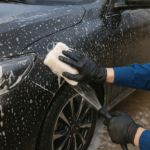
Another widespread misconception claims that PPF makes your vehicle maintenance-free. The film still requires washing and occasional decontamination. Water spots form on PPF. Dirt accumulates. You’ll still need to care for your vehicle—the difference is that errors during washing won’t permanently mar your paint.
Some car owners believe PPF turns yellow and looks terrible after a few years. This was true for early generation films from the 1990s and early 2000s. Modern films from reputable manufacturers remain crystal clear for 7-10 years when properly installed and maintained. Shield By Design uses only premium films with proven long-term clarity. Yellowing today almost always results from poor installation technique or extremely low-quality film, not from inherent film characteristics.
The myth that PPF installation damage is common also persists online. Professional installers like Shield By Design work in controlled environments and follow strict protocols. Paint damage during installation is extraordinarily rare when you choose an experienced, certified installer. The risk comes from inexperienced DIY attempts or cut-rate installation shops.
What PPF Does Not Protect Against
Understanding PPF’s limitations prevents disappointment. Major collisions will damage PPF-covered panels just as they would unprotected ones. The film cannot absorb the energy from a car accident. Its purpose is preventing damage during normal driving, not serving as crash protection.
Chemical staining from certain industrial fallout or harsh chemicals may still occur if contaminants remain on the film for extended periods. PPF buys you time, but neglecting your vehicle for months allows some chemicals to penetrate or bond permanently. Regular washing remains essential.
PPF will not fix existing paint damage. It goes over your current paint condition and preserves it. If your vehicle already has chips, scratches, or fading, those imperfections will remain visible under the film. Shield By Design recommends addressing significant paint issues through correction or touch-up before PPF installation for the best aesthetic results.
Maximizing PPF Protection at Shield By Design
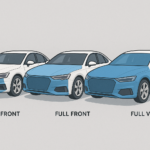
Coverage area directly impacts protection levels. Full front-end coverage (hood, fenders, bumper, mirrors, headlights) defends against the majority of driving hazards. Partial coverage—like just the bumper—provides limited protection. Assess your driving conditions and budget to determine appropriate coverage. Daily highway drivers benefit from more extensive coverage than vehicles used only for weekend errands.
Film quality matters significantly. Premium films offer superior self-healing, impact resistance, and longevity compared to budget options. Shield By Design installs top-tier films because the performance difference justifies the investment. A quality film from a professional installer outlasts and outperforms cheaper alternatives every time.
Proper maintenance extends both protection and film life. Wash your PPF-covered vehicle regularly using pH-neutral car soap. Avoid automatic car washes with stiff brushes that can lift film edges. Hand washing or touchless washes work best. Consider ceramic coating over your PPF for additional protection and easier cleaning. Shield By Design offers guidance on maintaining your film for optimal long-term performance.
FAQ
What does PPF protect against on a daily basis?
PPF protects against rock chips, road debris, light scratches from car washes and incidental contact, bug splatter, bird droppings, UV damage, and minor abrasions. It handles the everyday threats your vehicle faces during normal driving and parking situations.
Can PPF prevent damage from shopping cart impacts?
PPF absorbs the impact from typical shopping cart bumps and prevents paint scratches in most cases. The film may show a temporary mark that self-heals with heat exposure. However, extremely forceful shopping cart collisions might still dent body panels underneath the film.
Does PPF protect against automatic car wash scratches?
Yes, PPF provides excellent protection against the light scratches and swirl marks caused by automatic car wash brushes. The film’s self-healing properties eliminate these minor abrasions when exposed to heat, keeping your protected panels looking better than unprotected areas.
Will PPF protect my car paint from fading over time?
Quality PPF blocks UV radiation that causes paint fading and oxidation. Vehicles with professionally installed PPF from Shield By Design maintain their original paint color and gloss significantly better than unprotected vehicles, even after years of sun exposure.