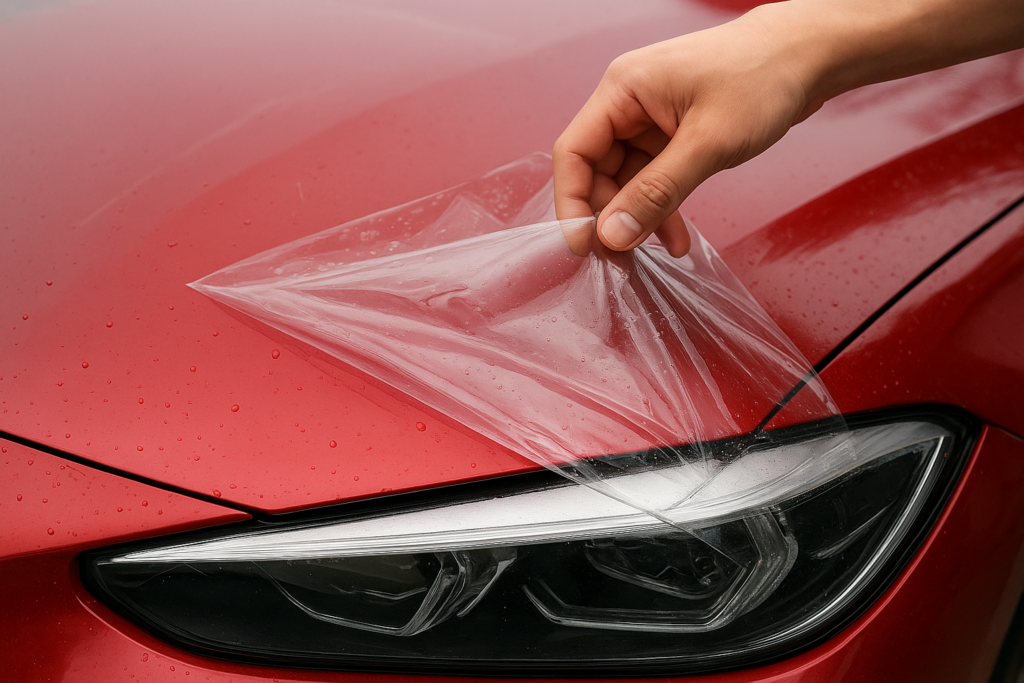

Vehicle owners considering paint protection film often worry about long-term commitment and potential paint damage. A common concern is whether the film can be safely removed years down the road without harming the factory finish. The good news is that when professionally installed and removed, PPF does not damage paint—in fact, it’s designed to protect your car’s surface and come off cleanly when you’re ready for a change.
Understanding How Paint Protection Film Bonds to Your Vehicle
Paint protection film uses a pressure-sensitive adhesive specifically engineered for automotive paint. Unlike permanent adhesives, this technology creates a protective bond that’s strong enough to stay in place through car washes, weather extremes, and years of driving, yet gentle enough to release without pulling up paint or clear coat.
The adhesive layer sits between the film’s protective polyurethane surface and your car’s paint. Modern PPF formulations from reputable manufacturers have been tested extensively on factory paint systems to ensure compatibility. Shield By Design uses only premium-grade films that meet strict industry standards for safe removal.
Temperature plays a role in how the adhesive performs. The bond strengthens slightly over time as the adhesive cures, but professional-grade films are designed to remain removable for 5-10 years without becoming permanent. This curing process actually helps the film conform better to your vehicle’s curves while maintaining its removability.
When Does PPF Damage Paint Actually Occur?
Paint damage during PPF removal is rare but can happen under specific circumstances. Understanding these scenarios helps you avoid problems entirely.
The most common cause of damage is attempting to remove film from compromised paint. If your vehicle’s paint was already failing—with chips lifting, clear coat delamination, or poor-quality aftermarket paint jobs—the adhesive may pull up weakened areas during removal. This isn’t the film damaging healthy paint; it’s revealing existing problems.
Improper removal technique causes the second-most-common issues. Pulling film off cold, yanking at sharp angles, or using metal tools to scrape can stress the paint surface unnecessarily. DIY removal without proper knowledge or tools increases risk significantly.
Leaving film on too long past its service life can create adhesive residue that’s harder to clean, though even aged adhesive won’t typically damage properly maintained paint. Films left for 15+ years may become brittle and require more careful removal, but professionals can still handle these situations safely.
The Professional PPF Removal Process at Shield By Design
Professional removal follows a systematic approach that prioritizes paint safety at every step. The process typically takes 2-4 hours depending on coverage area.
Technicians start by heating the film to approximately 140-160°F using specialized heat guns or steamers. This temperature softens the adhesive without reaching levels that could damage paint or plastic trim. Heat makes the film pliable and allows the adhesive to release its bond gradually.
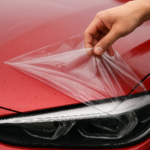
The film is then peeled back at a low angle—usually 45 degrees or less—starting from an edge or seam. Pulling slowly and steadily prevents adhesive from separating from the film backing, which would leave residue. The peel rate matters: too fast can cause tearing, too slow while cold allows the adhesive to re-bond.
After removal, any remaining adhesive residue is dissolved using automotive-safe adhesive removers. These solutions break down the adhesive without attacking paint or clear coat. A final polish removes any light residue and restores the paint’s original gloss. The surface underneath typically looks exactly as it did on installation day—often better preserved than unprotected areas that endured years of UV exposure and environmental contaminants.
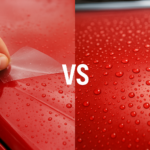
Comparing Paint Condition: Protected vs. Unprotected Areas
| Factor | PPF-Protected Paint (After Removal) | Unprotected Paint (Same Time Period) |
|---|---|---|
| Clear Coat Condition | Original gloss and thickness preserved | Oxidation, swirl marks, and UV fading |
| Rock Chips & Scratches | Zero to minimal damage | Multiple chips requiring touch-up |
| Color Vibrancy | Factory-fresh appearance maintained | Noticeable fading, especially on reds and blacks |
| Resale Appeal | Premium condition commands higher value | Typical wear reduces marketability |
Does PPF Damage Paint on Different Vehicle Types?
Paint systems vary across manufacturers and model years, but quality PPF performs safely across the spectrum. Luxury vehicles with multi-stage paint finishes handle removal just as well as standard single-stage systems.
Matte and satin finishes require special consideration. Shield By Design uses matte-specific films on these surfaces to match the texture. Removal is equally safe, though the underlying paint requires careful handling to avoid inadvertently polishing it to a gloss.
Wrapped vehicles present a different scenario. PPF can be installed over vinyl wraps, but removal requires extra caution since vinyl adhesive may not bond to paint with the same strength as factory finishes. Discussing your specific paint or wrap situation with professionals before installation helps set proper expectations for eventual removal.
Older vehicles with original paint often benefit most from PPF. Classic cars and collector vehicles maintain their value through original finish preservation. Properly installed film protects these irreplaceable surfaces and removes cleanly when certification or sale requires showing the factory paint.
What Happens to Your Paint After Years of PPF Protection
One of the most striking aspects of PPF removal is revealing paint that looks newer than the rest of the vehicle. The protected area essentially time-travels back to installation day.
You’ll notice a clear difference between protected and exposed sections. Hoods, fenders, and bumpers that wore PPF will show dramatically less weathering than roofs, trunks, or lower panels. This contrast actually proves the film did its job—not that it caused damage.
UV protection alone provides substantial benefit. Sun exposure breaks down clear coat and fades pigments over 3-5 years on unprotected surfaces. Film blocks these harmful rays completely, preserving color depth and gloss. Some owners choose to re-apply PPF after removal simply to maintain this protection for another service cycle.
Chemical resistance offers another advantage. Acid rain, bird droppings, and bug splatter etch unprotected clear coat over time. These contaminants sit on top of PPF instead, where they can be washed away without ever touching your actual paint. After removal, the protected surface shows none of the micro-etching or staining that affects exposed areas.
How Shield By Design Ensures Safe PPF Installation and Removal
The removal experience begins with proper installation. Shield By Design’s certified technicians prepare paint surfaces thoroughly before applying film, ensuring the surface is contaminant-free and in good condition. This preparation creates ideal conditions for both performance and eventual removal.
Documentation matters for long-term planning. Shield By Design maintains records of your installation date, film type, and coverage areas. When you’re ready for removal or replacement, this information helps technicians select the appropriate removal method and set accurate time expectations.
Warranty coverage provides additional peace of mind. Premium PPF products come with manufacturer warranties covering defects, yellowing, and adhesion issues. These warranties reflect manufacturer confidence that their products won’t damage properly prepared paint during normal service life and removal.
Shield By Design also offers removal services for PPF installed elsewhere. Even if another shop applied your film, professional removal ensures the process is handled correctly. This service is particularly valuable if your original installer is no longer available or if you’ve relocated since installation.
FAQ
Does PPF damage paint when removed after 5-7 years?
No, quality PPF does not damage paint when professionally removed within its service life of 5-10 years. The adhesive is specifically formulated to release cleanly from factory paint systems. In fact, the paint underneath typically looks better than exposed areas because it was protected from UV rays, rock chips, and environmental contaminants throughout that period.
Can I remove paint protection film myself without damaging the paint?
While DIY removal is possible, it carries higher risk of paint damage compared to professional service. Without proper heat tools, technique knowledge, and adhesive removers, you might pull too hard, scratch the surface, or leave difficult residue. Professional removal at Shield By Design eliminates these risks and typically costs less than repairing paint damage from improper removal attempts.
Will removing PPF show a color difference on my car?
You may notice that PPF-protected areas look slightly different—usually brighter and more vibrant—than unprotected sections. This isn’t damage; it’s preserved original color versus natural fading on exposed panels. The protected paint maintained its factory appearance while unprotected areas experienced gradual UV fading over the years.
What happens if PPF is left on longer than recommended?
Film left beyond 10-12 years may become more difficult to remove but still won’t typically damage healthy paint. The adhesive may require more heat and specialized solvents to release fully, and the film itself might become brittle. Shield By Design can safely remove even aged film, though the process may take additional time compared to film removed within its standard service window.